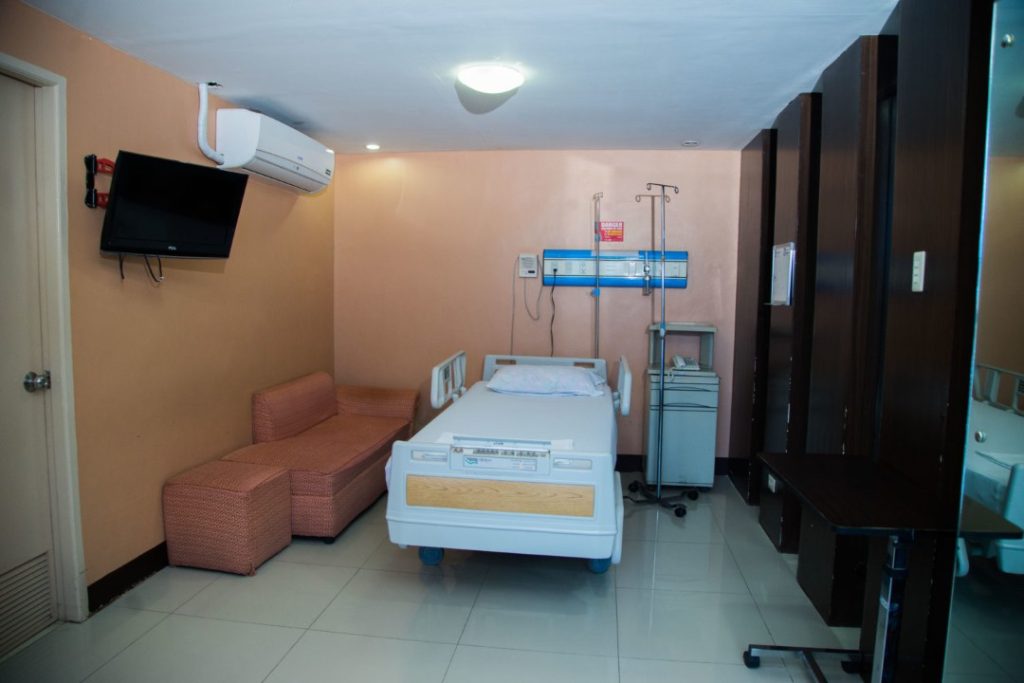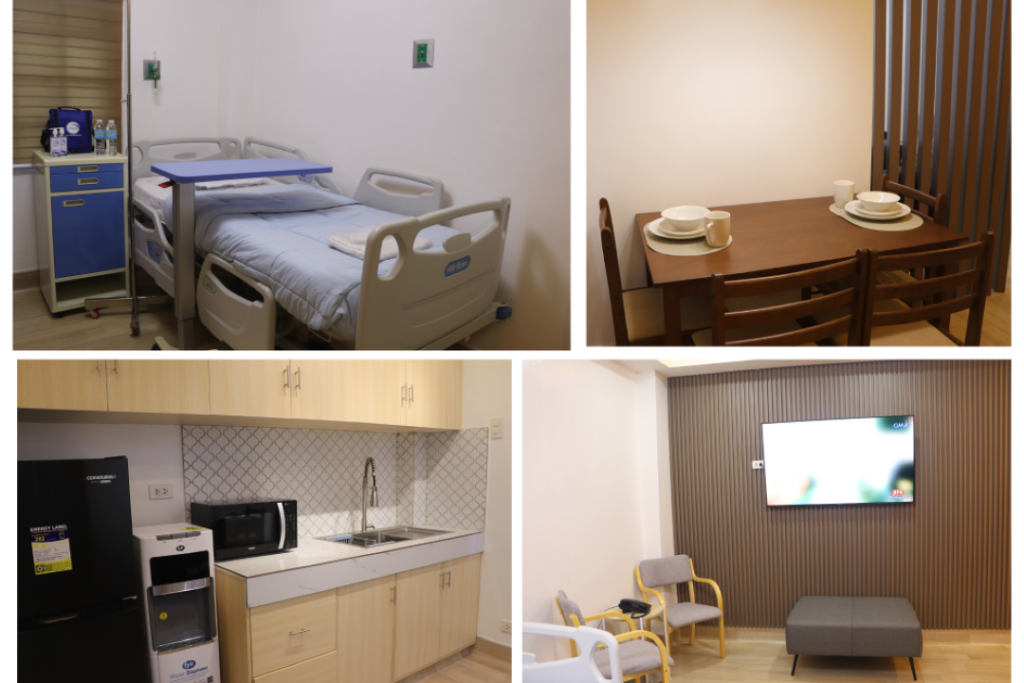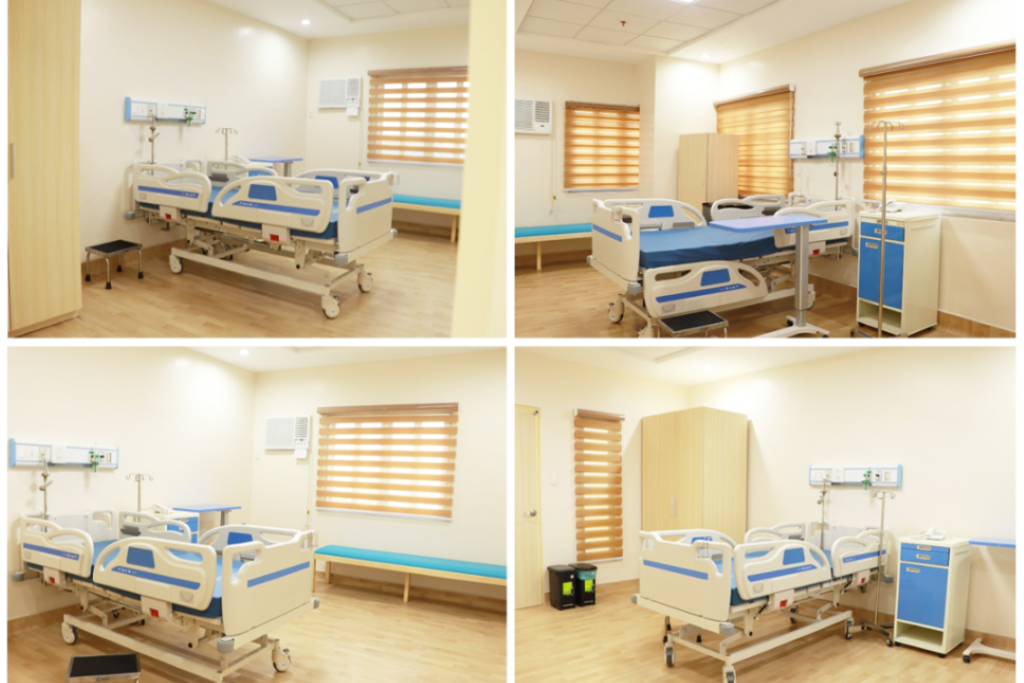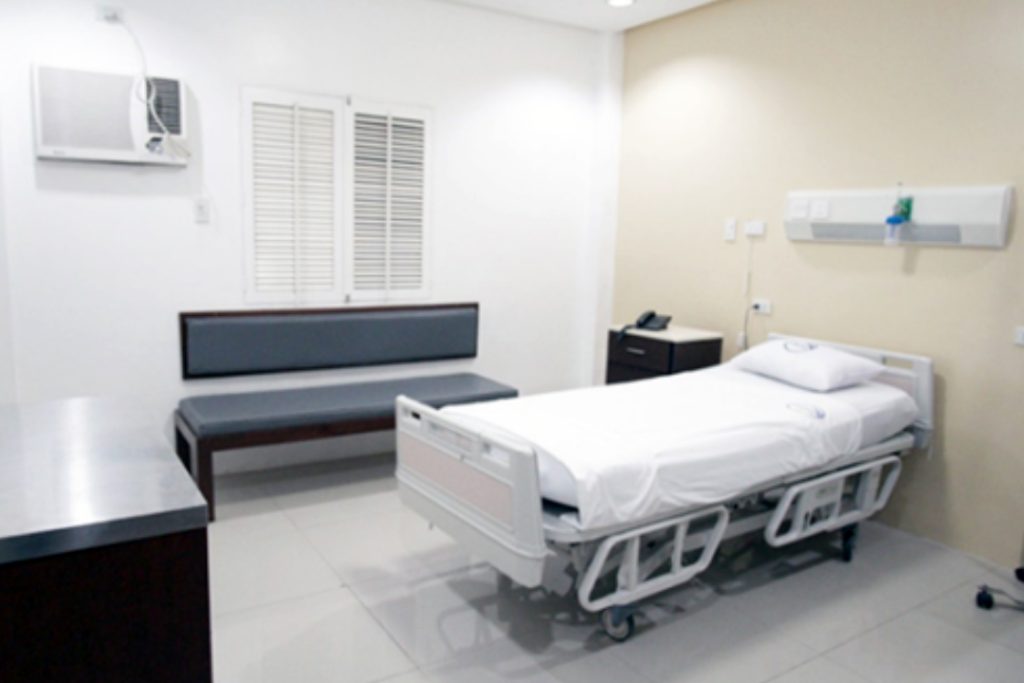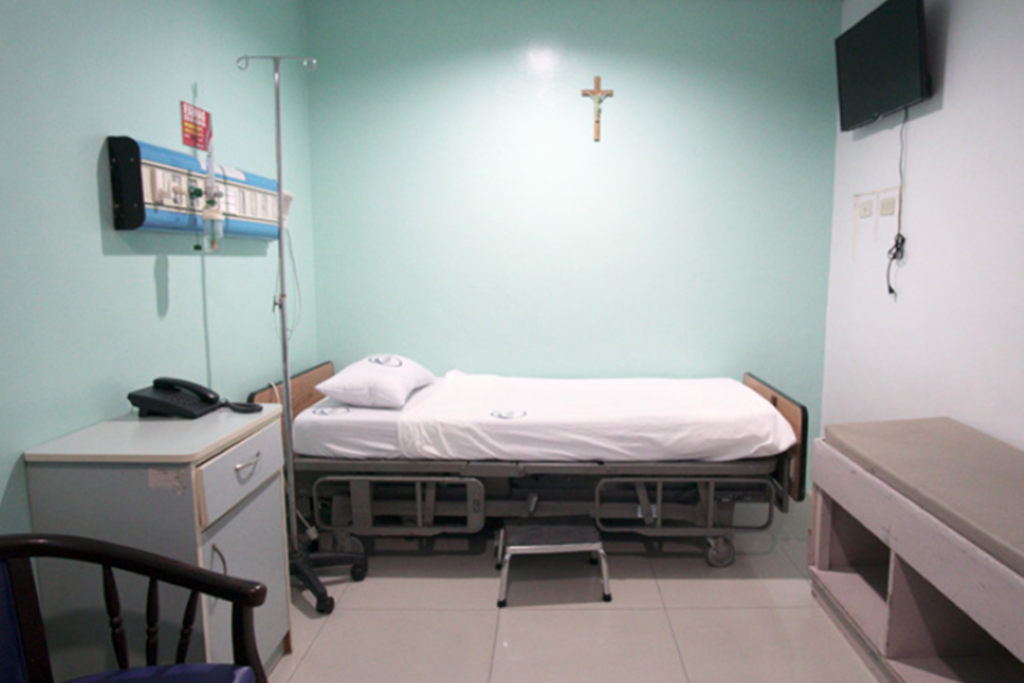

The MTCMC Pediatric Intensive Care Unit (PICU) provides specialized, round-the-clock critical care for infants, children, and adolescents with life-threatening illnesses, severe injuries, or complex medical conditions. Equipped with advanced pediatric life-support technology and continuous monitoring systems, the PICU is staffed by a multidisciplinary team of pediatricians, pediatric intensivists, critical care nurses, respiratory therapists, and allied healthcare professionals dedicated to delivering compassionate, evidence-based care.
Our PICU is designed to provide immediate intervention, advanced treatment, and continuous monitoring in a child-friendly environment that supports both young patients and their families during critical medical situations.
Services Offered:
- 24/7 Pediatric Critical Care – Continuous monitoring and intensive management of critically ill pediatric patients.
- Advanced Life Support – Comprehensive care for children requiring mechanical ventilation, cardiovascular support, and other life-sustaining therapies.
- Management of Medical Emergencies – Intensive treatment for severe infections, sepsis, respiratory failure, neurological emergencies, cardiac conditions, poisoning, trauma, and multi-organ dysfunction.
- Postoperative Intensive Care – Specialized monitoring and recovery following major pediatric surgical procedures.
- Mechanical Ventilation and Respiratory Support – Advanced respiratory care, including ventilator management, oxygen therapy, and non-invasive respiratory support.
- Continuous Hemodynamic and Neurologic Monitoring – Close observation of heart function, blood pressure, oxygenation, neurological status, and other vital parameters using advanced monitoring equipment.
- Multidisciplinary Pediatric Care – Coordinated treatment involving pediatric specialists, surgeons, anesthesiologists, infectious disease experts, neurologists, cardiologists, nephrologists, and rehabilitation professionals as needed.
- Family-Centered Care and Counseling – Active involvement of parents and caregivers in treatment planning, regular medical updates, and emotional support throughout the child's hospitalization.
- Infection Prevention and Patient Safety – Strict adherence to infection control measures and evidence-based protocols to ensure the highest standards of patient safety and quality care.